
Introducing Ketamine-Assisted EMDR: A New Way to Help Your Protectors Finally Rest
If you've done real work in therapy — maybe even EMDR — and still feel like there's a locked door somewhere inside you, I want you to know that's not a sign you're doing something wrong.
Maybe you can talk about your history clearly, but still feel strangely disconnected from it.
Maybe you notice yourself “leaving the room” emotionally right when a session starts to get close to something real.
Maybe you've been told you're “guarded” or “too controlled,” and you're tired of that being framed as a flaw.
Maybe you've wondered, quietly, why you can't just let yourself go there, even when you want to.
“Why can't I get past this part, no matter how much work I do?”
I'm glad to finally be able to talk publicly about something I've been building toward for a while: Ketamine-Assisted EMDR is officially launching this month, and I think it may be part of the answer for people who feel exactly this way.

Meet Your Protectors
Almost everyone I work with has some version of what I'd call a protector part: the part of you that stays vigilant, guarded, in control, because somewhere along the way, it learned that's what kept you safe. These protectors often show up as:
A need to stay in control of your emotions, even in therapy
Intellectualizing instead of feeling
A sense of detachment right at the edge of something significant
Exhaustion from constantly managing your own reactions
None of this is a flaw. It's a part of you that's been working incredibly hard, often for decades, without ever getting to rest.
Why Protector Parts Resist Deep Processing
The tricky thing about protector parts is that they can also be the reason deep processing feels just out of reach. They're not malfunctioning — they're doing exactly their job, keeping the door closed on material that still feels unsafe to touch. Sometimes, standard EMDR alone bumps right up against that door and stops there.
Where Ketamine-Assisted EMDR Comes In
Ketamine-assisted work doesn't bypass your defenses. It gives them permission to loosen their grip, just enough, in a supported and intentional clinical setting. For some people, that softening is what finally lets the deeper EMDR processing happen underneath, with:
The same care, same collaborative approach you'd already expect from working with me
A carefully screened, medically supported process
Full continuity with your existing EMDR work, not a replacement for it
What This Isn't
I want to be clear about what this is not. It's not a shortcut around doing the work. It's not meant to create detachment or distance from your experience. And it's not something I'll ever rush anyone into. It's one additional tool, offered thoughtfully, for the specific situations where it's the right fit.
This isn't about bypassing your defenses. It's about finally giving them permission to rest.
Is This Right for You?
This isn't a fit for everyone, and part of why I wanted to bring this into my practice is because I believe healing should be tailored to the person in front of me, not a single formula applied to everyone who walks through the door.
If you're curious whether Ketamine-Assisted EMDR might be a good fit for what you're working through, reach out and let's talk about it together. More details on logistics, pricing, and the screening process are coming very soon — for now, I just wanted you to know: this is here, and it's something I believe in.
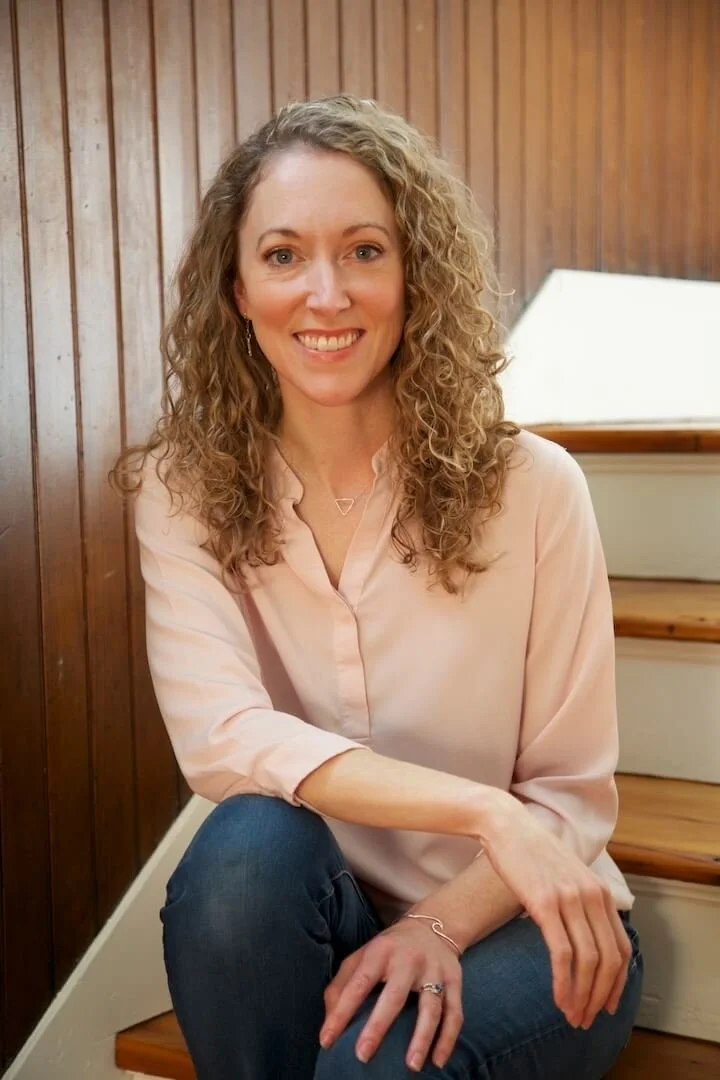
Rachel Duvall, LICSW, Certified EMDR Intensives Therapist, EMDR Consultant-in-Training
Rachel Duvall is a licensed therapist (LICSW) with over 15 years of experience supporting clients in Boston, New York City and now Great Barrington, MA. She specializes in EMDR therapy and EMDR therapy intensives for women, parents, and LGBTQIA+ struggling with anxiety disorders, trauma, perfectionism, and low self-esteem. Rachel uses evidence-based, somatic, holistic therapy approaches like EMDR and Sensorimotor Therapy to help clients feel calmer and more confident in themselves and their relationships. At Rachel Duvall Psychotherapy, she is committed to providing compassionate, expert care both in-person and online for clients across Massachusetts and Florida.
Rachel provides in-person EMDR intensives and EMDR therapy in Great Barrington, MA, in the Berkshires, in addition to providing trauma therapy online for women and LGBTQIA+ located in the areas of
Boston, MA | Cambridge, MA | Newton, MA | Hingham, MA
Trauma therapy online for residents of Florida including
Miami, FL | Tampa, FL | Sarasota, FL | Orlando, FL