
If you've been curious about EMDR intensives but aren't quite sure what you'd be walking into, you're not alone. I get some version of this question constantly.
Maybe you picture something dramatic — three days of nonstop emotional excavation.
Maybe you imagine a retreat-center group experience, with strangers processing trauma side by side.
Maybe you're worried it will feel like being cracked open and left that way.
Maybe you just want to know, practically, what the days actually look like.
“What am I actually walking into?”
An intensive isn't dramatic for the sake of drama. It's structured, paced to you, and every piece of it is built around one goal: helping your nervous system feel safe enough to actually do the work.
Before We Ever Meet: The Pre-Intensive Interview
Every intensive starts weeks before the days together. We do a full interview, and I send you a workbook, so that by the time we sit down in person, we already have clarity on:
What you want to work on, and why
What's worked (and hasn't) in previous therapy
What safety and support look like specifically for you
Logistics — where we'll meet, who else may be involved, what the days will include
I never want you walking in wondering what's about to happen to you. You should know, roughly, what we're aiming at before we start.

Day One: Resourcing and Safety
This is the part people are often most surprised by: day one is slow. We're not diving into the hardest material first. Instead, we spend this time building:
Grounding and regulation tools you can use in the moment
A felt sense of safety in the room, in your body, and with me
Clarity on what parts of you might show up to protect you, and why
If I've learned anything doing this work, it's that depth isn't rushed into. It's earned, one safe moment at a time.
Day Two: Deep Processing
This is usually where the real movement happens. Depending on what you respond to, we may draw on:
Core EMDR reprocessing
IFS-informed parts work
Somatic and body-based approaches
Expressive arts or outdoor mindfulness, when it fits
There's no single formula applied to everyone who walks through the door. Your intensive is built around you, with as much time and space as you need to actually be with what comes up — instead of watching the clock because our fifty minutes are almost over.
Day Three: Integration
Processing without integration is like packing a suitcase and never unpacking it. On day three, we slow back down and talk through:
What carrying this forward actually looks like in your daily life
How to communicate what's shifted to the people closest to you
What support you'll want in place once you're home
After You Go Home: The Follow-Up Session
An intensive doesn't end when you drive away. We schedule a follow-up session to check in on how things are landing, and I coordinate with any other providers you're working with, so the people supporting you are on the same page.
Some clients also choose to build in complementary support during their intensive days, like acupuncture or yoga here in the Berkshires, to help the body settle between sessions.
Why Structure (Not Spontaneity) Creates Safety
It might seem like deep emotional work should feel spontaneous or raw to be real. In practice, the opposite is usually true. Predictability is part of what makes it safe to go deep at all. When you know what's coming next, your nervous system doesn't have to spend its energy bracing for the unknown — it can spend that energy on the actual work.
You don't need to brace for the unknown here. You already know the shape of the days — so your nervous system can spend its energy on healing instead.
Why I Do This Work
Being in the room during an intensive is one of the genuine privileges of my job. Watching someone move from guarded to present with themselves over the course of a few days is some of the most moving work I get to witness.
If you've been curious whether this kind of concentrated, retreat-style EMDR intensive might be a fit for you, you're welcome to reach out and we can talk through what your days might look like.
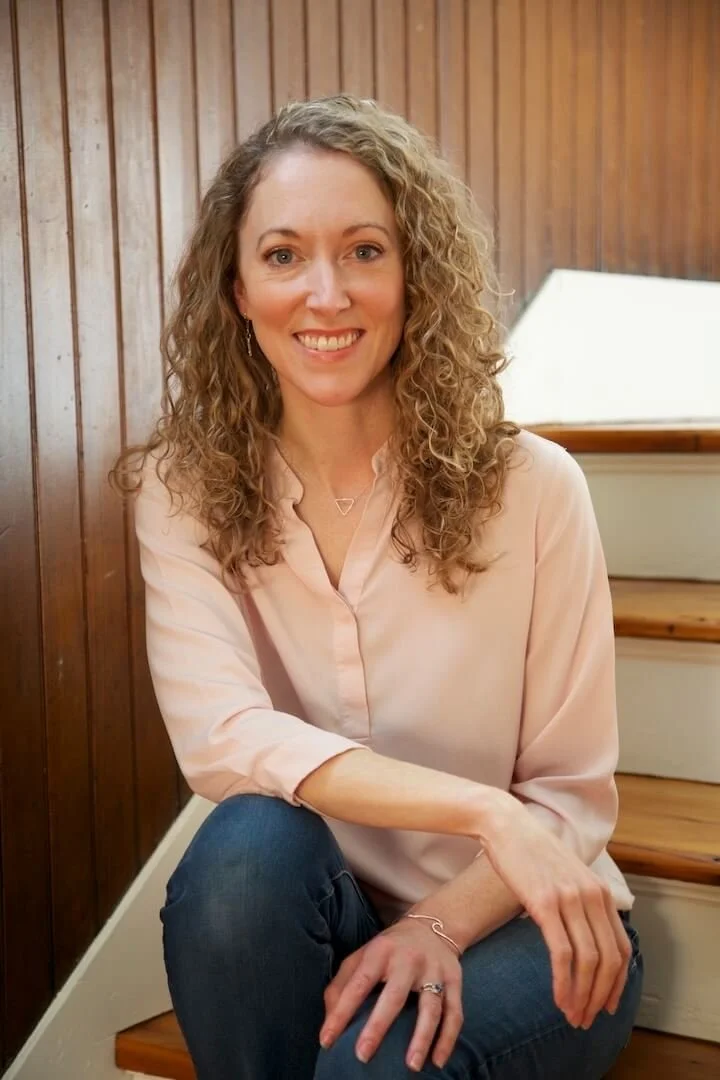
Rachel Duvall, LICSW, Certified EMDR Intensives Therapist, EMDR Consultant-in-Training
Rachel Duvall is a licensed therapist (LICSW) with over 15 years of experience supporting clients in Boston, New York City and now Great Barrington, MA. She specializes in EMDR therapy and EMDR therapy intensives for women, parents, and LGBTQIA+ struggling with anxiety disorders, trauma, perfectionism, and low self-esteem. Rachel uses evidence-based, somatic, holistic therapy approaches like EMDR and Sensorimotor Therapy to help clients feel calmer and more confident in themselves and their relationships. At Rachel Duvall Psychotherapy, she is committed to providing compassionate, expert care both in-person and online for clients across Massachusetts and Florida.
Rachel provides in-person EMDR intensives and EMDR therapy in Great Barrington, MA, in the Berkshires, in addition to providing trauma therapy online for women and LGBTQIA+ located in the areas of
Boston, MA | Cambridge, MA | Newton, MA | Hingham, MA
Trauma therapy online for residents of Florida including
Miami, FL | Tampa, FL | Sarasota, FL | Orlando, FL