
Before we ever get to the deep work of an intensive, I ask my clients some surprisingly small questions.
What scents make you feel calm?
What music feels safe to have playing in the background?
What snacks do you want nearby, so you're not running on empty while we work?
When was the last time someone asked you what you needed, instead of what you could give?
They're such small details. But for a lot of the people I work with, these are some of the first questions anyone's asked about what they need, instead of what everyone else needs from them.

Built Around You, Not the Other Way Around
If you're the kind of person who's spent years anticipating everyone else's needs — a partner's, a boss's, a child's — there's something quietly disorienting about being asked what you want. That disorientation is actually part of the work. An intensive isn't just about the big structural decisions, like where we meet or how many days we spend together. It's in the small stuff too:
The candle that's already lit when you walk in
The playlist that's already running
The snacks that are already there, so you don't have to think about it
The pace of the day, built around what you actually need that day, not a fixed schedule
Why the Small Details Matter More Than the Big Ones
I didn't build it this way because it's a nice touch. I built it this way because safety is made of small, repeated details, not big declarations. A nervous system doesn't relax because you tell it to. It relaxes because the room, the pace, and the person across from you keep proving, in tiny ways, that it's allowed to.
Safety Is Made of Small, Repeated Proof
This is true in relationships generally, not just in a therapy room. Trust isn't built by one grand gesture. It's built by a hundred small moments where someone shows up the way they said they would. An intensive is, in some ways, a condensed version of that: days full of small proofs that you are allowed to have needs, and that those needs will be met without you having to ask twice.
You don't have to keep earning care by taking care of everyone else first.
An Invitation
If any part of this resonates, if you've spent so long being the one who holds it together for everyone else that you've lost track of what you actually need, I'd love to build something like this around you, too.
If you're curious about what an EMDR intensive built around your specific needs could look like, reach out and let's talk.
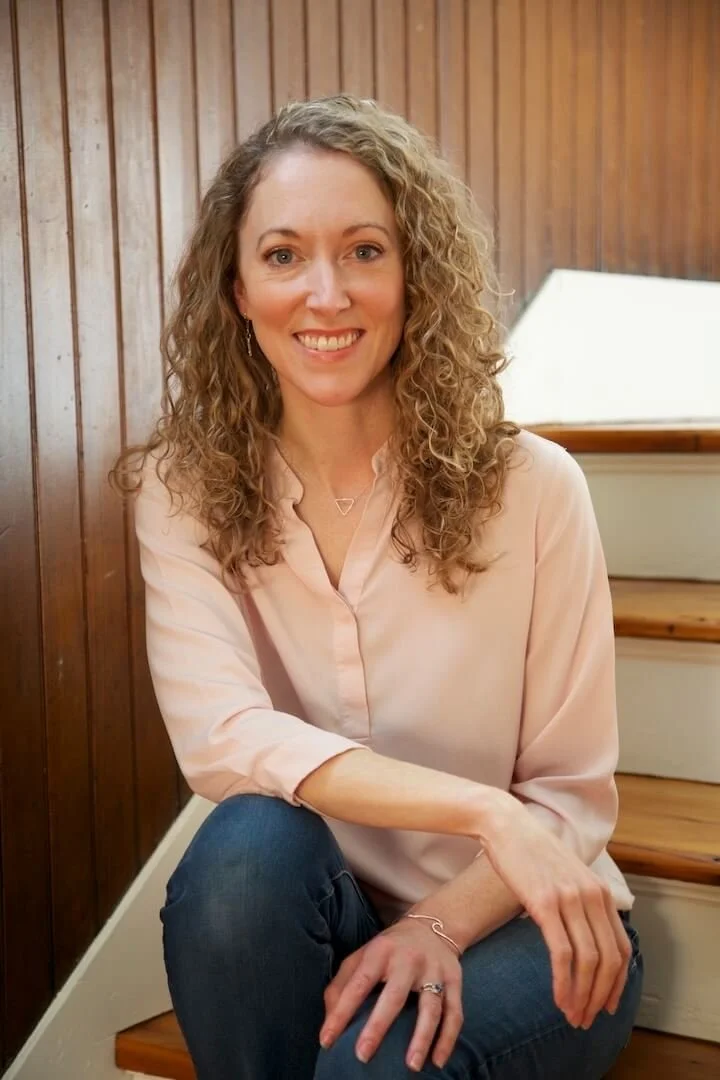
Rachel Duvall, LICSW, Certified EMDR Intensives Therapist, EMDR Consultant-in-Training
Rachel Duvall is a licensed therapist (LICSW) with over 15 years of experience supporting clients in Boston, New York City and now Great Barrington, MA. She specializes in EMDR therapy and EMDR therapy intensives for women, parents, and LGBTQIA+ struggling with anxiety disorders, trauma, perfectionism, and low self-esteem. Rachel uses evidence-based, somatic, holistic therapy approaches like EMDR and Sensorimotor Therapy to help clients feel calmer and more confident in themselves and their relationships. At Rachel Duvall Psychotherapy, she is committed to providing compassionate, expert care both in-person and online for clients across Massachusetts and Florida.
Rachel provides in-person EMDR intensives and EMDR therapy in Great Barrington, MA, in the Berkshires, in addition to providing trauma therapy online for women and LGBTQIA+ located in the areas of
Boston, MA | Cambridge, MA | Newton, MA | Hingham, MA
Trauma therapy online for residents of Florida including
Miami, FL | Tampa, FL | Sarasota, FL | Orlando, FL